
A Structured Environment Designed for Healing.
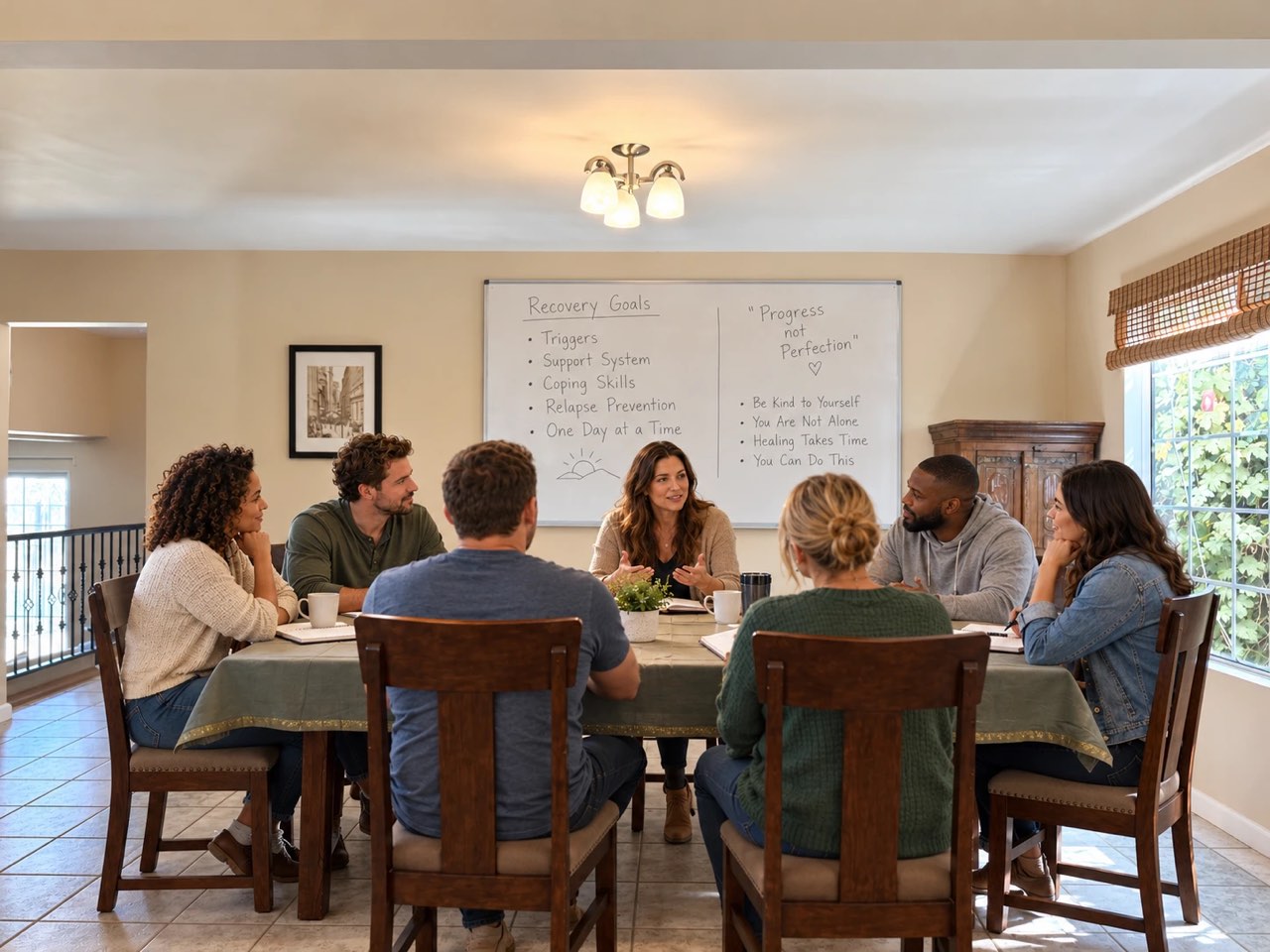
After detox, you stay with us for a few weeks or more. Days have a steady shape: therapy, groups, real meals, sleep and time outside, with people who know your name.
What it is
Time and space to heal what's underneath.
Stopping is the first step. Staying stopped means understanding why you drank or used, and building a life you don't need to escape from. That takes time, and it's hard to do while everyday life keeps pulling at you.
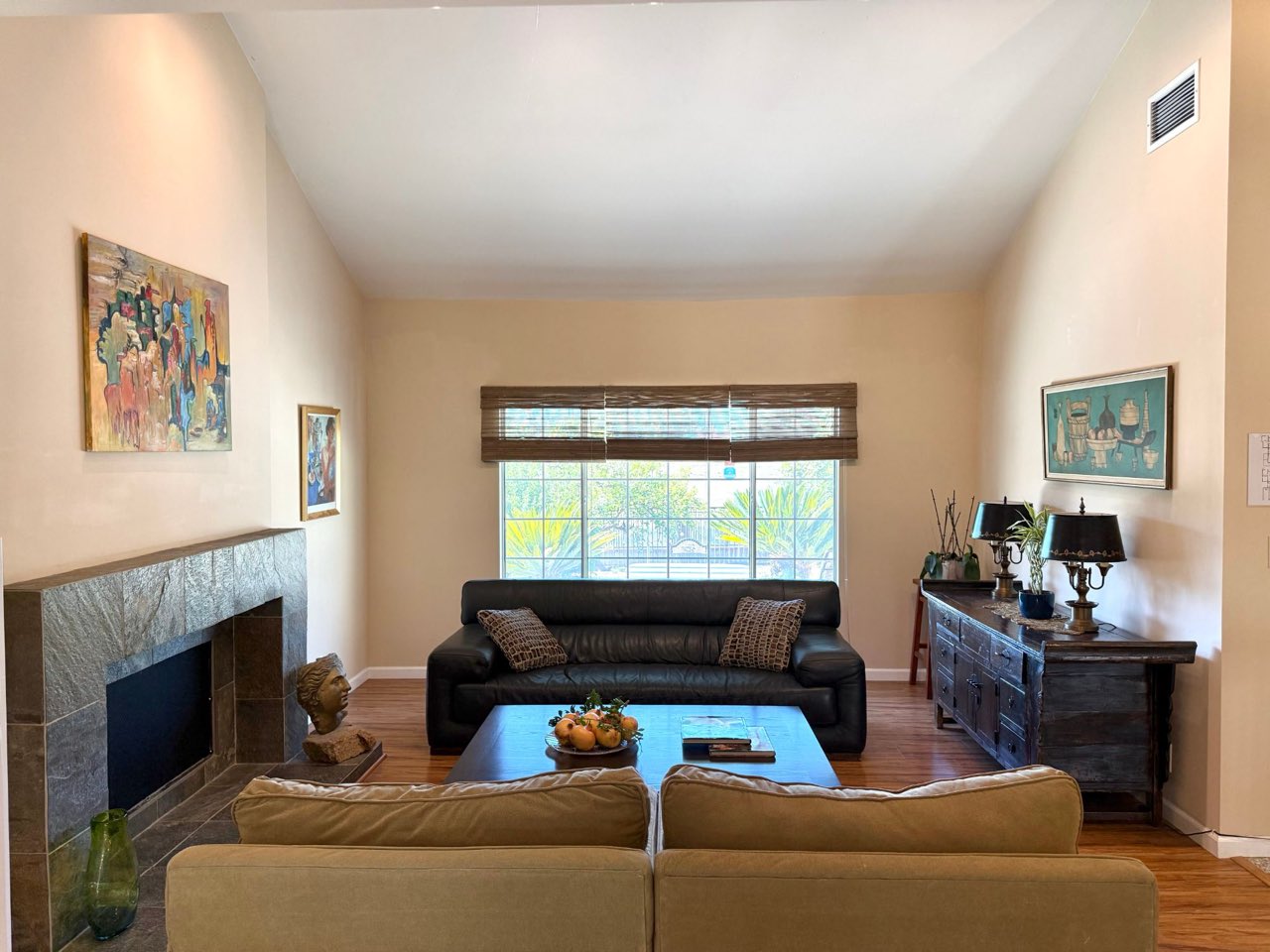
In residential care you live in a calm, home-like setting with support around the clock. You work with your own counselor, join small groups, and practice new skills every day.
What's included
What your weeks here include.
One-on-one therapy
Regular sessions with your own counselor, who knows your story.
Small groups
Talk with people who understand, because they're living it too.
Skills for real life
Handling cravings, stress, sleep and hard conversations.
Family program
Updates and sessions for your family, with your permission.
Healthy routines
Real meals, movement, sleep and time outside, every day.
Aftercare planning
Outpatient care, meetings near home, and a person to call.
How we work
Approaches with research behind them.
Your counselor builds your plan from methods that are well studied, and adjusts it as you go.

Therapies
- Cognitive behavioral therapy (CBT)
- DBT skills
- Motivational interviewing
- Relapse prevention
- Trauma-informed care
- Family therapy
- Introduction to 12-step and other support groups
Sample day
Days with a shape to them.
Early recovery goes better with a steady rhythm. Here is what a day can look like. Your team sets yours with you.
- Wake up and breakfast
- Morning group
- One-on-one with your counselor
- Lunch
- Skills session: sleep, stress, cravings
- Walk, gym, or quiet time
- Dinner
- Evening meeting
- Lights out
Where you'll stay
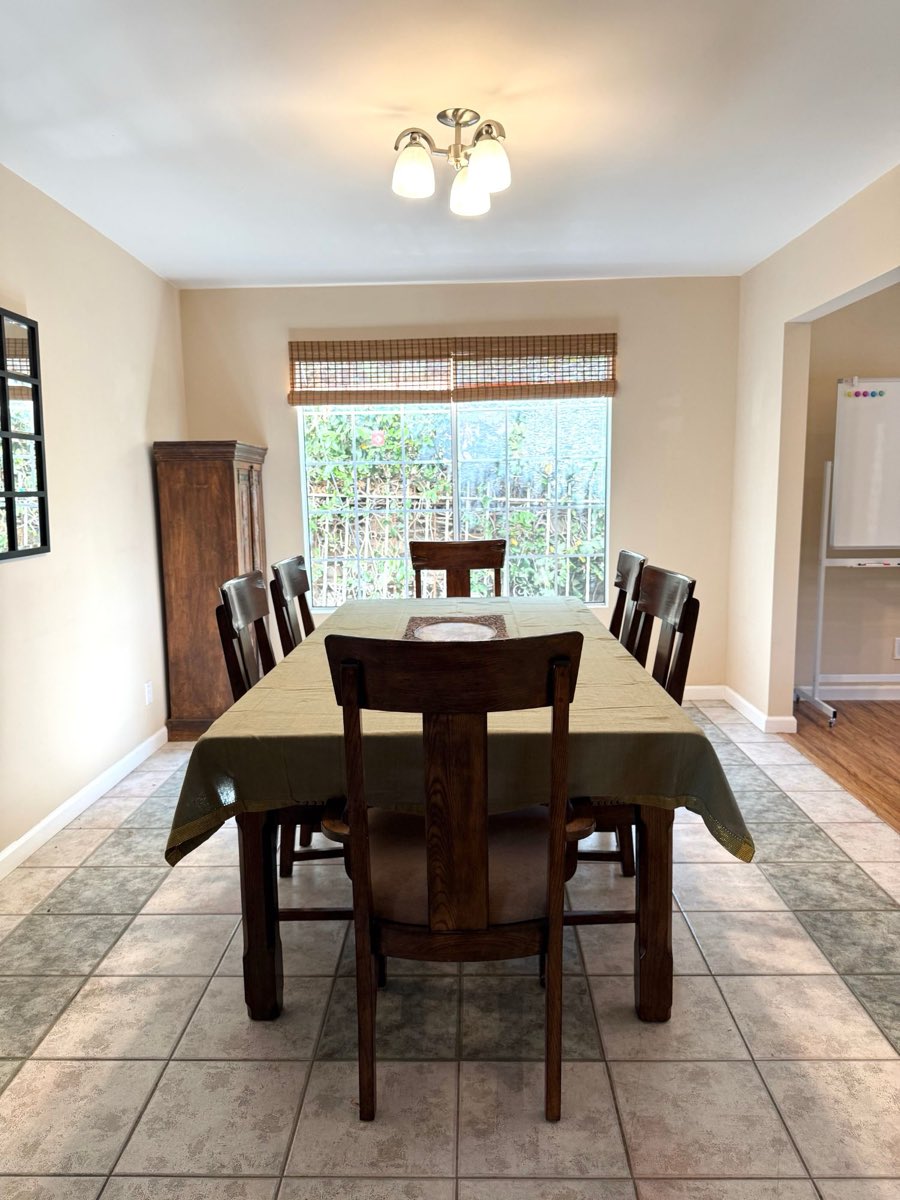
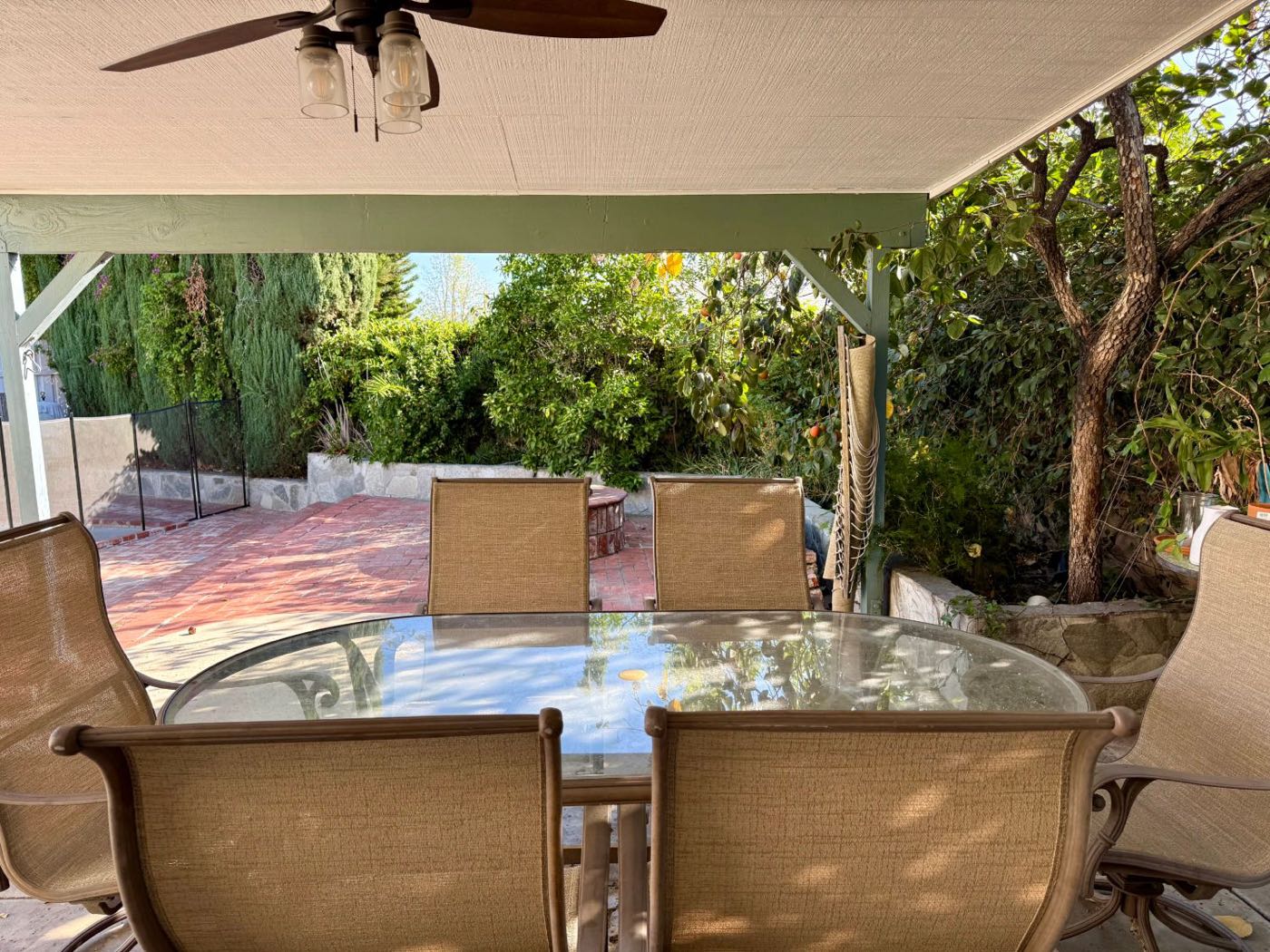
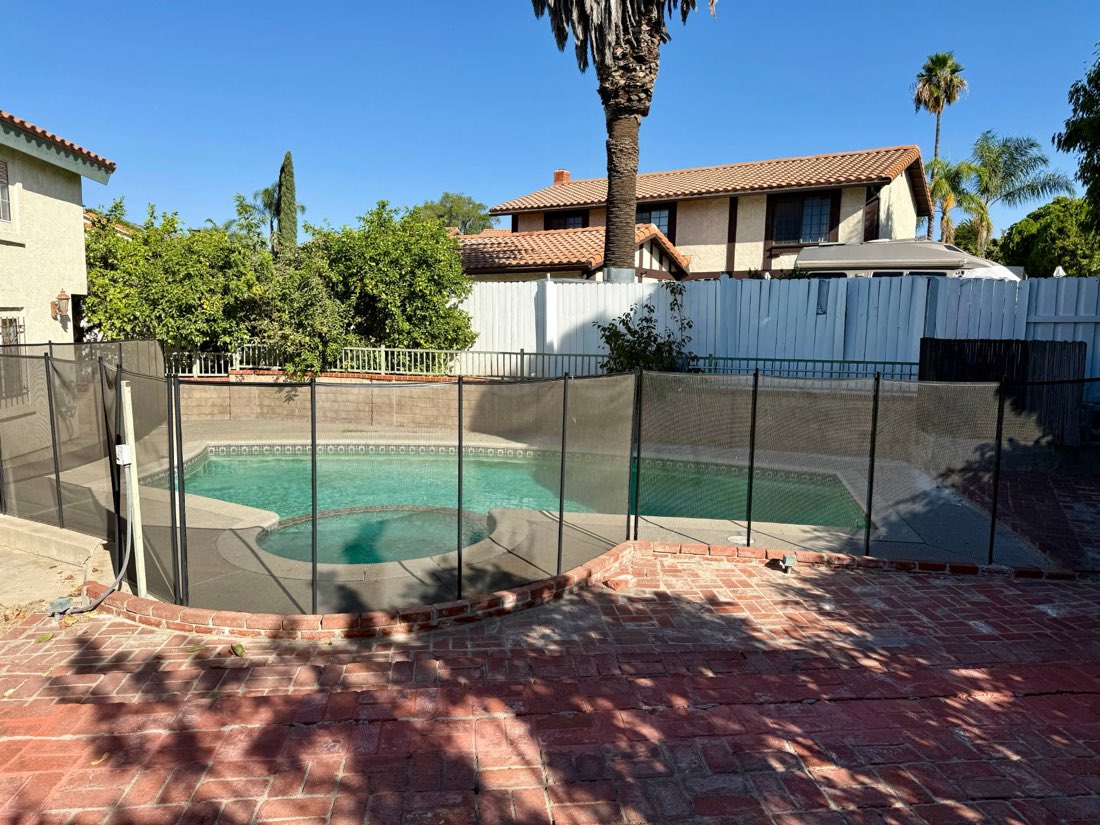
A home, not a hospital.
Meals at one long table, a shaded patio, and a backyard with room to breathe.
Residential questions
What people ask about staying here.
Have a question that isn't here? Call us any time.
Call 818-488-1743